
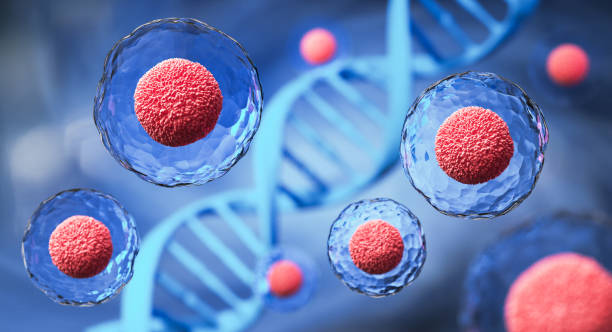
Safety is usually the first thing parents want to know when stem cell therapy comes up. That's the right instinct. The answer depends on several factors: the type of cells being used, where they come from, how they're administered, and the quality of the clinical protocol behind them.
Are all stem cells the same?
No, and this distinction matters.
The term "stem cells" covers a broad range of cell types with very different properties, sources, and safety profiles. Embryonic stem cells, bone marrow-derived cells, fat-derived cells, and umbilical cord-derived cells behave differently and carry different risk profiles.
Wharton's Jelly mesenchymal stem cells, also called WJ-MSCs, come from the connective tissue of donated umbilical cords after healthy births. They're not embryonic. They're obtained non-invasively from a donor source without any procedure on the child. And across published research, they've consistently shown one of the most favorable safety profiles of any stem cell type studied in this context.
What does the research say about safety?
Clinical studies using WJ-MSCs in children with autism have consistently reported an absence of serious adverse events when cells are obtained from screened donors and administered by experienced medical teams.
A 2020 clinical trial published in Stem Cell Reports evaluated umbilical cord-derived mesenchymal stem cells in children with autism and reported no serious adverse events. Multiple other published studies have reached similar conclusions.
It's important to be honest about what the research is and isn't. Most studies involve relatively small sample sizes, and long-term safety data beyond two years is still limited. Larger randomized controlled trials are ongoing. That doesn't mean the therapy is unsafe. It means the evidence base is still developing, which is something any responsible provider should acknowledge clearly.
What side effects have been reported?
In published clinical studies using WJ-MSCs, the most commonly reported side effects are mild and short-lived.
These include low-grade fever, temporary irritability, or brief changes in sleep in the 24 to 48 hours following administration. These reactions are generally considered to reflect the immune system's response to the infusion rather than a sign of harm.
More serious complications such as tumor formation, immune rejection, or infection have not been reported in peer-reviewed studies using properly screened and processed Wharton's Jelly cells. That said, the risk profile changes significantly when cells are poorly sourced, improperly stored, or administered without appropriate clinical oversight.
What makes a stem cell protocol safer?
Several factors directly affect safety outcomes, and parents should understand these before engaging with any clinic.
Donor screening is one of the most critical. Cells should come from donors who have undergone rigorous health screening, with the cells themselves tested for infectious agents, sterility, and viability before use. This isn't optional. It's the baseline standard that separates a responsible protocol from a risky one.
Cell processing and storage matter just as much. Proper cryopreservation and quality control during manufacturing affect both safety and efficacy. Clinics that source cells from accredited cell banks with documented quality assurance processes offer meaningfully more protection than those that don't.
Administration method also plays a role. Intravenous infusion is the most commonly studied route in autism trials. The clinical team administering treatment should have experience managing infusion protocols and be equipped to respond if a reaction occurs.
Finally, protocol context matters. Stem cell therapy delivered as part of a comprehensive functional medicine evaluation, with pre-treatment testing to assess the child's immune status, inflammation markers, and overall health, is a very different proposition from cells given without any prior clinical workup.
What should parents ask before choosing a clinic?
If you're evaluating stem cell therapy for your child, these are the questions that matter most.
Where do the cells come from, and what does the donor screening process look like? How are the cells processed and stored? What adverse events has the clinic observed, and how are they managed? Is stem cell therapy offered as part of a broader personalized evaluation, or as a standalone treatment? Does the clinic reference the clinical evidence that informs their protocol?
A clinic that can't answer these questions clearly is a concern. Transparency about sources, protocols, and limitations is a basic marker of clinical credibility, and parents deserve straightforward answers before making any decision.
A Practical Question to Bring to Your Next Appointment
If you're considering stem cell therapy for your child, ask: "What type of stem cells are used, where do they come from, what does the donor screening process involve, and what adverse events has your clinic observed?"
Ready to Learn More?
If you'd like to understand whether stem cell therapy may be appropriate for your child and how it fits into a comprehensive personalized evaluation, we're here to help. Book a complimentary discovery call with the Calm Protocols team to discuss your child's history, answer your questions, and explore the next steps for your family.
You might also find these articles helpful:
Can Stem Cells Help Children With Autism?
Can Wharton's Jelly Mesenchymal Stem Cells Help Children With Autism?
What Lab Tests Should Parents Ask for When It Comes to Autism?