
Can diet really change the gut microbiome?
Yes.
Research consistently shows that diet is one of the strongest influences on the composition and diversity of the gut microbiome.
The foods your child eats don't just provide nutrition for their body. They also feed the trillions of microorganisms living in their digestive tract. A diet rich in whole, nutrient-dense foods helps beneficial bacteria grow and thrive, while diets high in ultra-processed foods may encourage the growth of bacteria associated with inflammation.
Although dietary changes won't treat autism itself, improving gut health may reduce biological stressors that contribute to gastrointestinal symptoms and support your child's overall health and quality of life.
Why are ultra-processed foods a concern?
Many processed foods contain ingredients that offer very little nutritional value while placing additional stress on the digestive system.
Artificial food dyes, preservatives, emulsifiers, added sugars, and highly refined carbohydrates have all been studied for their effects on the gut microbiome and intestinal health.
Some of these ingredients may reduce the diversity of beneficial bacteria, increase inflammation, and weaken the protective lining of the intestine. Over time, this can contribute to an environment where harmful bacteria become more dominant.
Many children with autism already have restricted eating patterns, making nutritional quality even more important. While removing processed foods isn't always easy, replacing them gradually with more nutritious options can help create a healthier environment for beneficial bacteria to grow.
Which foods help support beneficial gut bacteria?
A healthy microbiome depends on variety.
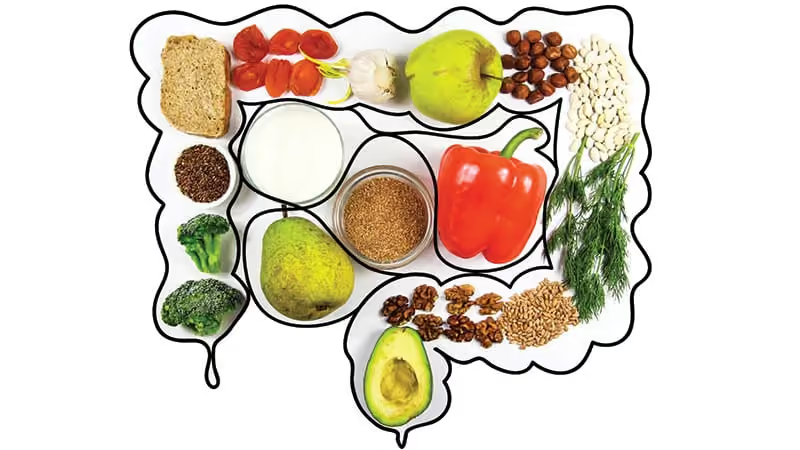
Foods naturally rich in fiber help nourish beneficial bacteria. Vegetables, fruits, legumes, oats, nuts, and seeds provide prebiotic fibers that act as food for these microorganisms.
Fermented foods, including yogurt, kefir, sauerkraut, and kimchi, naturally contain probiotics that may help support microbial diversity for some children, although every child responds differently.
A balanced diet that includes quality protein, healthy fats, and a variety of colorful plant foods provides the nutrients needed to support both gut health and overall development.
Many parents reading this are probably thinking, "My child won't eat any of those foods."
We understand.
Food selectivity is extremely common in children on the autism spectrum. Sensory sensitivities, rigid food preferences, oral motor challenges, and previous negative experiences with eating can make expanding a child's diet incredibly difficult.
That's why Calm Protocols includes a specialist in functional nutrition with expertise in working with picky eaters as part of our multidisciplinary team. She works closely with families to gradually expand food variety using strategies that respect each child's sensory needs while improving nutritional quality.
Our goal isn't to force children to eat unfamiliar foods overnight. It's to help them make realistic, sustainable progress, one step at a time.
Should every child with autism take probiotics?
Not necessarily.
Probiotics can be helpful in certain situations, but they're not one-size-fits-all.
Different probiotic strains perform different functions, and the needs of one child may be very different from another. In some cases, introducing probiotics before understanding what's happening in the gut may not produce the desired results.
This is why we don't recommend choosing probiotics based on online reviews or giving the same supplement to every child with autism.
Instead, we look at each child's clinical history, symptoms, and functional testing to determine whether probiotics are appropriate, and if so, which strains are most likely to provide benefit.
Why doesn't Calm Protocols use the same nutrition plan for every child?
Because no two children have the same biology.
Two children may receive the same autism diagnosis yet have completely different underlying contributors to their symptoms.
One child may have significant gut dysbiosis. Another may have delayed food sensitivities contributing to inflammation. A third may have vitamin and mineral deficiencies affecting neurological function. Others may have environmental toxin exposure or mitochondrial dysfunction that needs to be addressed.
Although their behaviors may appear similar, the biological reasons behind those behaviors can be very different.
That's why personalized care is central to everything we do.
Our multidisciplinary team develops individualized nutrition and treatment plans based on each child's history, symptoms, laboratory findings, and feeding challenges. We believe successful interventions need to be both scientifically grounded and realistic for families to implement.
What functional tests can help evaluate the gut microbiome?
Testing allows us to move beyond assumptions and better understand what's happening inside your child's body.
Depending on your child's medical history and symptoms, we may recommend a comprehensive stool analysis to evaluate the balance of beneficial bacteria, digestive function, intestinal inflammation, and the presence of unwanted microorganisms.
Additional testing may include an Organic Acids Test (OAT) to evaluate microbial activity and metabolism, micronutrient testing to identify nutritional deficiencies, IgG food sensitivity testing when clinically appropriate, and assessments for environmental toxins such as heavy metals or mold exposure.
Not every child requires every test.
Recommendations are always based on the child's clinical presentation rather than following a standard protocol.
Why is functional testing important before starting treatment?
Without testing, it's easy to guess.
With testing, treatment becomes much more precise.
Rather than recommending broad dietary restrictions or supplements based only on symptoms, functional testing helps identify the biological factors that deserve attention first.
This allows us to create a personalized plan based on objective findings instead of relying on trial and error.
For many families, understanding why symptoms are happening is just as valuable as knowing what to do next.
A practical question to bring to your next appointment
If you're considering nutritional or functional medicine approaches for your child, ask whether any testing has been done to evaluate gut health, nutrient status, food sensitivities, or other biological factors that may be contributing to symptoms.
Looking beyond routine blood work may provide valuable information that helps guide a more personalized treatment plan.
Ready to Learn More?
If you'd like to better understand your child's gut health and whether functional testing may be appropriate, we're here to help. Book a complimentary discovery call with the Calm Protocols team to discuss your child's history, answer your questions, and explore whether a personalized functional medicine evaluation is the right next step for your family.
You might also find these articles helpful:
Why Does My Autistic Child Have So Many Stomach Problems?
Why Does the Gut Microbiome Matter in Children With Autism?
What Lab Tests Should Parents Ask for When It Comes to Autism?