
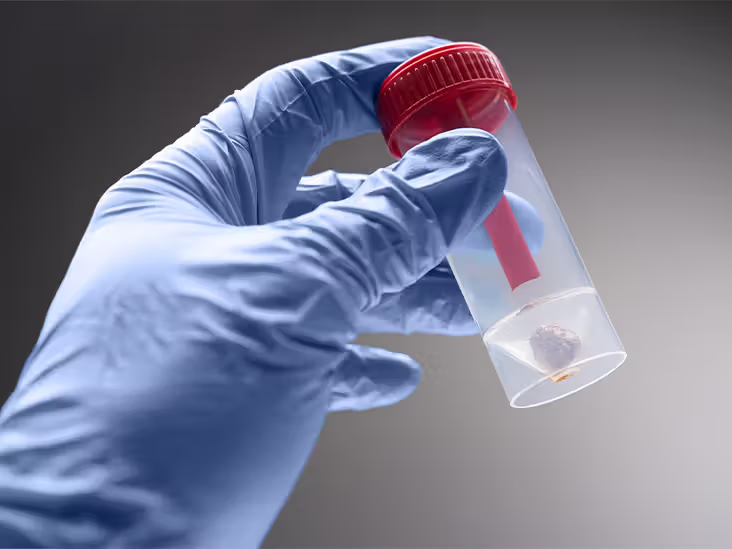
If your child has ongoing digestive symptoms and you've been told their stool test came back normal, you may be looking at the wrong test. Standard stool tests screen for acute infections. A comprehensive stool analysis does something entirely different.
What's the difference between a standard stool test and a comprehensive stool analysis?
A standard stool test ordered by a pediatrician is designed to detect specific infections: bacteria like Salmonella or E. coli, parasites, or blood in the stool. It's a useful tool for those purposes.
A comprehensive stool analysis maps the entire gut ecosystem. It looks at which bacteria are present, in what quantities, whether beneficial species are adequate, and whether harmful organisms have overgrown. It also evaluates how well digestion is functioning, whether the gut lining is under stress, and whether inflammation is present in the intestinal tract.
These are fundamentally different questions. One checks for acute infection. The other gives you a detailed picture of the gut environment as a whole.
What does a comprehensive stool analysis actually measure?
The specific markers vary by lab, but a thorough panel typically covers several key areas.
Microbial balance. The test identifies and quantifies bacteria, yeast, and other microorganisms living in the gut. This includes beneficial species that support digestion, immune regulation, and neurotransmitter production, alongside opportunistic organisms that can cause problems when they overgrow.
Digestive function. Markers like pancreatic elastase measure how well the pancreas is producing the enzymes needed to break down food. Low enzyme activity can contribute to poor nutrient absorption, bloating, and changes in stool consistency.
Gut inflammation. Calprotectin is one of the most commonly used inflammation markers. It's released by immune cells in the gut lining, and elevated levels indicate active intestinal inflammation. This can be present even when standard blood tests appear normal.
Gut lining integrity. Some panels include secretory IgA, which reflects the immune defense layer of the gut lining, along with other markers that indicate whether the mucosal barrier is intact or under stress.
Metabolic activity. Certain bacterial byproducts, including short-chain fatty acids, reflect how the microbiome is functioning and whether it's producing the compounds the body and brain depend on.
Why is this test relevant for children with autism?
Children with autism have significantly higher rates of gastrointestinal symptoms than neurotypical children. Studies estimate that between 40 and 90 percent of children on the autism spectrum experience chronic GI problems including constipation, diarrhea, bloating, abdominal pain, and reflux.
Research has also found that many children with autism have distinct microbiome patterns compared to neurotypical peers. Beneficial bacterial species are often reduced, while certain opportunistic bacteria or yeast may be elevated. These imbalances can contribute to gut inflammation, altered gut-brain signaling, and in some cases, behavioral changes that worsen when the gut is under stress.
A comprehensive stool analysis gives a practitioner a specific picture of what's happening in your child's gut, rather than making assumptions based on symptoms alone.
Can the results actually change the treatment plan?
Yes, and often significantly.
Elevated inflammation markers tell a practitioner that the gut lining is under active stress and needs support before other interventions are added. A significant overgrowth of harmful bacteria or yeast points toward targeted antimicrobial or antifungal support rather than general gut protocols. Low beneficial bacterial counts suggest specific probiotic choices rather than a generic supplement. Poor digestive enzyme activity may explain why a child isn't absorbing nutrients adequately despite eating reasonably well.
Without this data, treatment is based on general assumptions about what might be happening. That's the core difference between functional testing and standard care.
How is the test done?
The process is straightforward. A stool sample is collected at home using a kit provided by the testing lab. Depending on the panel, samples may be collected on more than one day to improve accuracy. Everything is sent directly to the lab by mail.
No hospital visits. No invasive procedures. For children who struggle in clinical settings, that's a meaningful practical advantage.
What happens after the results come in?
Results are reviewed by a functional medicine practitioner who can interpret the data in the context of your child's broader health picture. The goal isn't to treat every abnormal number in isolation. It's to understand what the gut environment is communicating overall and build a plan that addresses root causes rather than individual symptoms.
Follow-up testing after an intervention period is typically recommended to assess whether the gut environment has actually shifted in the right direction.
A Practical Question to Bring to Your Next Appointment
Ask your child's healthcare provider: "Has my child ever had a comprehensive stool analysis rather than a standard stool test, and given their GI symptoms, would this be an appropriate next step?"
Ready to Learn More?
If you'd like to understand more about functional testing and whether a comprehensive gut evaluation may be appropriate for your child, we're here to help. Book a complimentary discovery call with the Calm Protocols team to discuss your child's history, answer your questions, and explore the right next steps for your family.
You might also find these articles helpful:
What Lab Tests Should Parents Ask for When It Comes to Autism?
Why Does My Autistic Child Have So Many Stomach Problems?
Why Does the Gut Microbiome Matter in Children With Autism?
What Is Leaky Gut and Can It Affect Autism?