
If your child has autism and ongoing gut problems, leaky gut is probably a term you've come across. It gets mentioned a lot but rarely explained clearly. Here's what it actually means and why it may matter for your child.
What is leaky gut?
Your child's gut has a protective lining made up of tightly connected cells. Between those cells are proteins called tight junctions, which act as gatekeepers. They decide what gets absorbed into the bloodstream and what stays inside the digestive tract where it belongs.
When those tight junctions are weakened, the lining becomes more porous. Things that should stay in the gut, like bacteria, food proteins, and other compounds, can start crossing into the bloodstream. This is what researchers call increased intestinal permeability. Most people call it leaky gut.
What causes the gut barrier to weaken?
Several things can damage the gut lining, and many of them are common in children with autism.
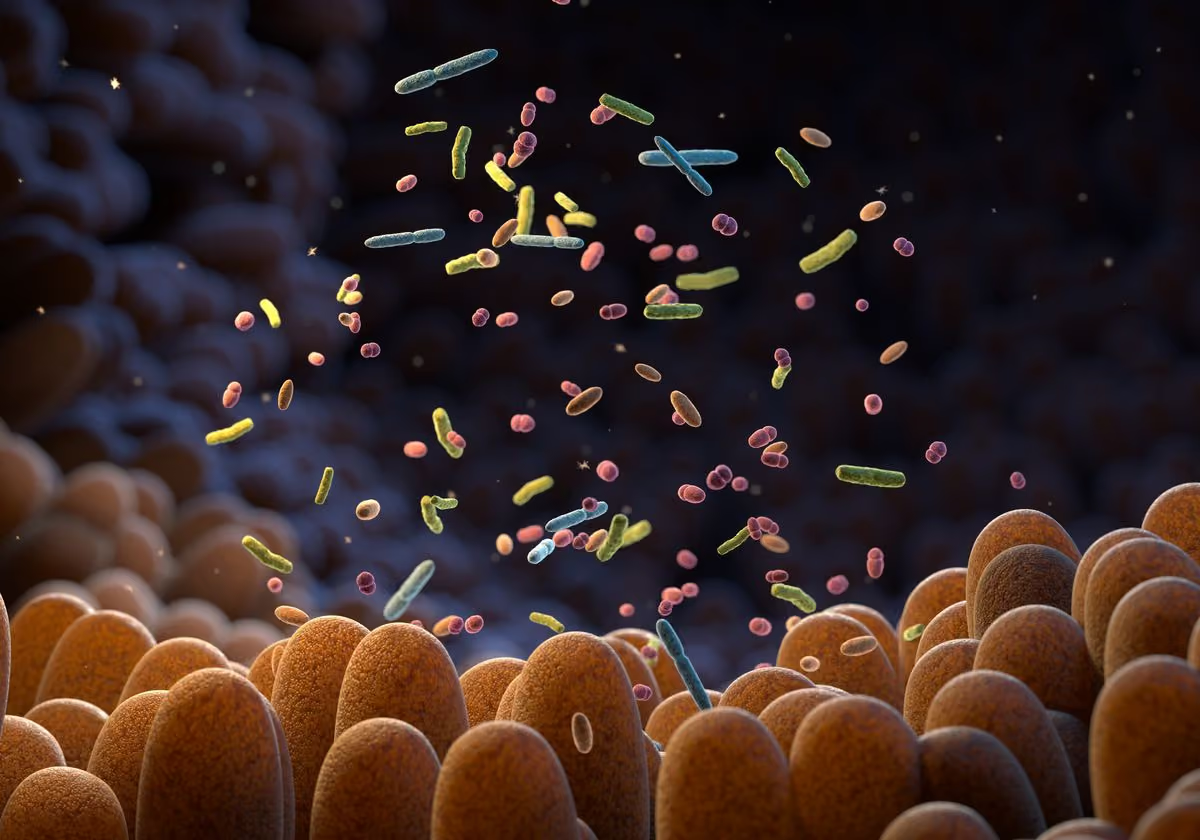
Imbalances in gut bacteria are one of the biggest contributors. When the bacterial community in the digestive tract is significantly disrupted, it can cause low-grade inflammation that slowly breaks down the gut lining over time.
Other factors include food sensitivities to gluten and casein proteins, antibiotic use, low zinc or vitamin D levels, and exposure to environmental toxins. In many children, more than one of these is happening at the same time.
Is leaky gut more common in children with autism?
Research suggests it is.
One study published in the Journal of Pediatric Gastroenterology and Nutrition found evidence of increased intestinal permeability in about 37 percent of children with autism, compared to fewer than 5 percent of typically developing children.
Other studies have looked at a protein called zonulin, which controls how tightly the cells in the gut lining are sealed. Higher zonulin means a more permeable gut. Some research has found elevated zonulin levels in children with autism compared to neurotypical peers.
Researchers are still working out exactly what this means. Whether leaky gut drives certain symptoms or results from other biological factors isn't fully established. But it's a meaningful area to investigate, especially when GI symptoms are showing up alongside behavioral challenges.
How can a leaky gut affect the brain?
This is the part that surprises most parents.
When the gut barrier isn't doing its job properly, two things can happen that may be relevant to your child's behavior and overall health.
First, partially digested proteins from gluten and casein can enter the bloodstream. Some researchers believe these fragments can affect receptors in the brain that influence pain, sensory processing, and behavior. The evidence is still developing, but it's one of the reasons elimination diets have been studied in children with autism.
Second, compounds released by certain gut bacteria can cross the gut wall and trigger an immune response. This can lead to inflammation that reaches the brain. Neuroinflammation, which is inflammation affecting the brain and nervous system, has been documented across many autism studies. The gut may be one of the pathways that keeps it going.
How is it tested?
A functional medicine practitioner may suggest one or more tests depending on your child's symptoms and history.
A common starting point is the lactulose-mannitol urine test. Your child drinks a solution containing two types of sugar, and a urine sample is collected to measure how much of each crossed the gut wall. An elevated ratio between the two signals a more permeable barrier.
Stool zonulin testing can show whether the protein that seals the gut lining is elevated. A comprehensive stool analysis gives a broader picture of bacterial balance, inflammation, and digestive function. IgG food sensitivity testing can identify foods that may be quietly triggering immune reactions in the gut over time.
Which tests make sense depends on your child's specific situation. It's not about running everything at once.
What can be done if leaky gut is identified?
There's no one-size-fits-all answer here, and this isn't something to experiment with on your own.
When gut barrier dysfunction shows up in testing, practitioners typically work across a few areas at the same time. Removing gluten and casein from the diet may reduce irritation if your child is sensitive to those proteins. Probiotics and foods that feed beneficial gut bacteria help rebuild the microbial environment the gut lining needs to recover. Targeted nutrients like zinc, vitamin D, and L-glutamine, an amino acid that fuels the cells lining the gut, may also be recommended based on test results.
The key is working from actual data. What shows up in testing should drive the plan, not guesswork.
A Practical Question to Bring to Your Next Appointment
If your child has ongoing gut symptoms alongside behavioral challenges, ask: "Has my child's gut barrier function ever been evaluated, and would intestinal permeability testing or a comprehensive stool analysis make sense to consider?"
Ready to Learn More?
If you'd like to better understand your child's gut health and whether a functional medicine evaluation may be appropriate, we're here to help. Book a complimentary discovery call with the Calm Protocols team to discuss your child's history, answer your questions, and explore whether personalized testing is the right next step for your family.
You might also find these articles helpful:
Why Does My Autistic Child Have So Many Stomach Problems?
Why Does the Gut Microbiome Matter in Children With Autism?
Can Diet Improve the Gut Microbiome in Children With Autism?
What Lab Tests Should Parents Ask for When It Comes to Autism?