Most parents think of inflammation as something visible, like a swollen joint or a red, infected cut. But inflammation can also happen in the brain, quietly, without any obvious outward sign. In some children with autism, this is exactly what researchers have found.
What is neuroinflammation?
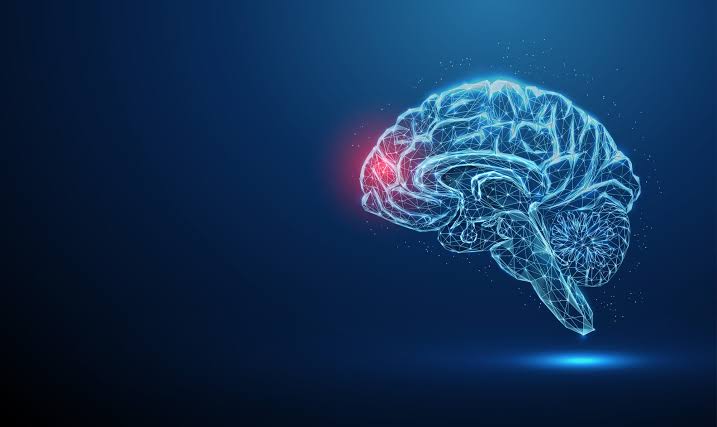
Neuroinflammation simply means inflammation affecting the brain and nervous system.
The brain has its own immune system, run by specialized cells called microglia. Think of them as the brain's internal security team. Their job is to scan the brain for threats, clear out damaged cells, and keep the environment healthy.
When microglia detect a problem, they switch into alert mode and release signals that trigger an inflammatory response. That's a normal, healthy reaction when there's a real threat to deal with.
The problem is when they stay in alert mode for too long. When the alarm doesn't switch off, the brain lives in a state of ongoing, low-grade inflammation. This is what researchers mean by neuroinflammation, and it's the pattern that has been studied in autism.
Has neuroinflammation actually been found in children with autism?
Yes, in a significant number of cases.
A landmark 2005 study published in the Annals of Neurology by Vargas and colleagues examined brain tissue from individuals with autism and found clear signs of immune cell activation and inflammation across multiple brain regions. The same study found elevated inflammatory proteins in the cerebrospinal fluid, the fluid that surrounds and cushions the brain and spinal cord. (DOI: 10.1002/ana.20315)
A 2023 review in Frontiers in Neuroendocrinology, which analyzed multiple postmortem brain studies, confirmed increased activation of these brain immune cells in individuals with autism across multiple independent research groups. (DOI: 10.1016/j.yfrne.2023.101064)
This doesn't mean every child with autism has neuroinflammation. Autism is biologically diverse and no single finding applies to every child. But for a meaningful subset, the evidence is consistent and comes from multiple research teams.
What is causing the inflammation?
In most children, it's not one single thing. Several biological factors may work together to keep the brain in an inflammatory state.
The gut is one of the most studied contributors. When the gut lining is compromised, compounds from gut bacteria can enter the bloodstream and trigger an immune response that eventually reaches the brain. This is one reason gut health is taken so seriously in functional medicine approaches to autism.
The immune system is another factor. Some children with autism appear to have an immune system that stays in a low level of chronic activation, as if it's always on alert even when no clear threat is present.
Nutritional deficiencies and environmental exposures, including heavy metals and mold toxins, may also play a role. And when the body can't neutralize cellular damage fast enough, a process called oxidative stress, this can both cause and worsen brain inflammation.
For many children, several of these factors are present at the same time.
How can brain inflammation affect my child's daily life?
This is where it becomes most relevant for parents.
The brain's immune cells don't just produce inflammation. They also play a critical role in shaping how the brain develops, particularly in early childhood when the brain is rapidly building and refining the connections between brain cells. When those immune cells are chronically overactive, they can interfere with that process.
Brain inflammation can also disrupt the chemical messengers the brain uses to regulate mood, behavior, sleep, and attention. The messengers most commonly affected include serotonin, dopamine, and glutamate.
This is one reason some children show real improvements in behavior, communication, and emotional regulation when underlying biological inflammation is identified and addressed. Reducing neuroinflammation doesn't change a child's diagnosis. What it may do is remove a biological burden that has been quietly working against them.
How is brain inflammation detected?
There's no standard clinical test that directly measures neuroinflammation in a living child's brain. But functional medicine practitioners can look for patterns across several tests that together suggest inflammation is present and contributing.
Blood markers like C-reactive protein can indicate systemic inflammation in the body. An organic acids test, which analyzes chemical byproducts in the urine, can reveal signs of oxidative stress and immune activation. A comprehensive stool analysis can show whether gut-related inflammation may be fueling what's happening in the brain.
No single test tells the whole story. A practitioner experienced in this area brings the results together alongside a child's full clinical picture to understand what may be driving the inflammatory state.
What can be done about neuroinflammation?
The functional medicine approach focuses on finding and addressing what's causing the inflammation, rather than simply trying to suppress it.
Depending on what testing reveals, this might include supporting gut barrier health, removing foods that are triggering immune reactions, correcting nutritional deficiencies that affect the body's ability to manage inflammation, and reducing exposure to environmental toxins where relevant.
Emerging therapies including hyperbaric oxygen and mesenchymal stem cell therapy are being actively studied for their potential anti-inflammatory effects in children with autism and may be considered as part of a broader personalized plan.
There's no single protocol that works for every child. What matters is identifying the specific drivers for each individual child and building a plan around what the evidence actually shows.
A practical question to bring to your next appointment
Ask: "Is there a way to evaluate whether neuroinflammation may be contributing to my child's symptoms, and which tests would give us the clearest picture of their inflammatory status?"
Ready to learn more?
If you'd like to understand more about the biological factors that may be influencing your child's health and whether a functional medicine evaluation is appropriate, we're here to help. Book a complimentary discovery call with the Calm Protocols team to discuss your child's history, answer your questions, and explore the right next steps for your family.
You might also find these articles helpful:
What Lab Tests Should Parents Ask for When It Comes to Autism?
What Is Leaky Gut and Can It Affect Autism?
What Does a Comprehensive Stool Analysis Show?
Can Stem Cells Help Children With Autism?
References:
The 2005 Annals of Neurology study; Vargas DL, Nascimbene C, Krishnan C, Zimmerman AW, Pardo CA. Neuroglial activation and neuroinflammation in the brain of patients with autism. Annals of Neurology. 2005;57(1):67-81.
DOI: 10.1002/ana.20315
A 2023 systematic review and meta-analysis covering both postmortem brain studies and PET imaging in autism; Liao X, Chen M, Li Y. The glial perspective of autism spectrum disorder: convergent evidence from postmortem brain and PET studies. Frontiers in Neuroendocrinology. 2023;70:101064.
DOI: 10.1016/j.yfrne.2023.101064
A review confirming elevated IL-6, TNF-α, and IFN-γ across blood, brain tissue, and CSF in autistic subjects; Xu N, Li X, Zhong Y. Inflammatory cytokines: potential biomarkers of immunologic dysfunction in autism spectrum disorders. Mediators of Inflammation. 2015;2015:531518.
DOI: 10.1155/2015/531518